
 By admin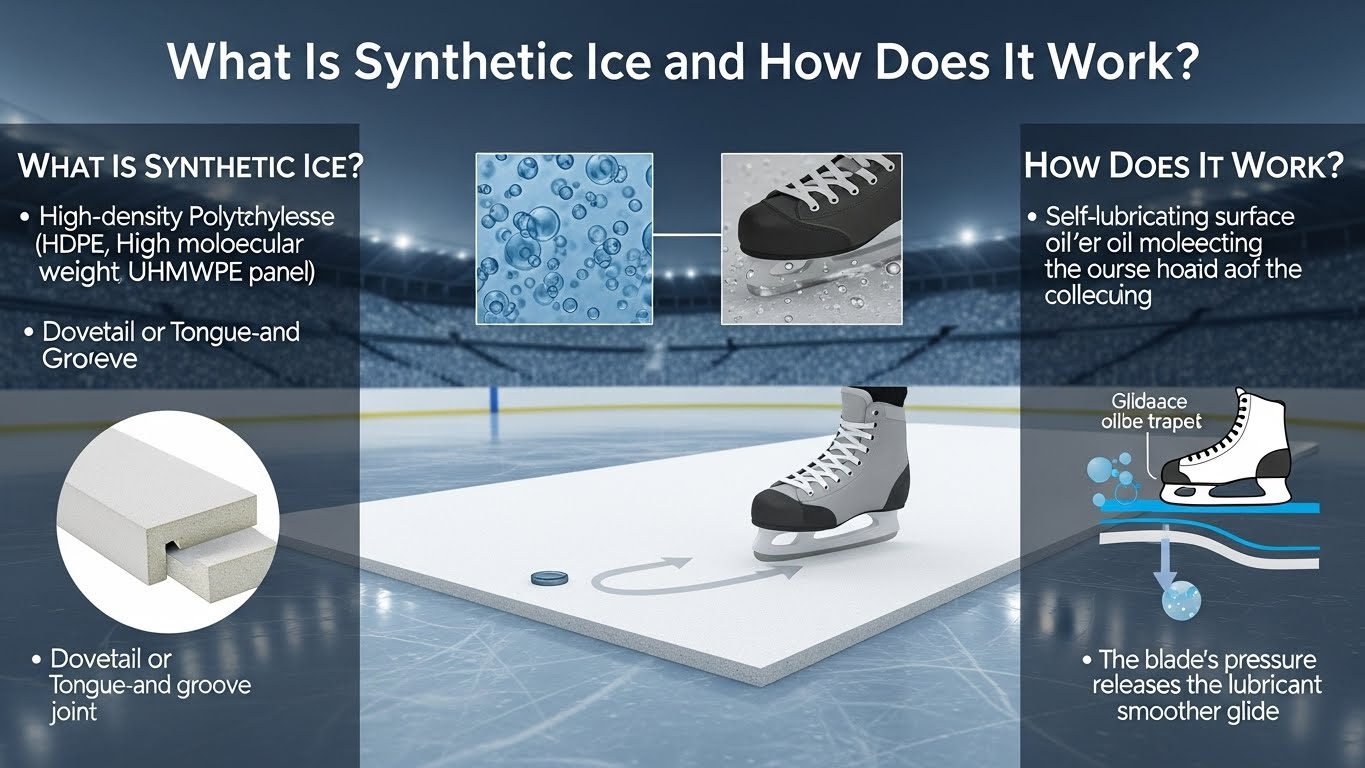
Introduction to Synthetic Ice
Synthetic ice is revolutionizing the way athletes and homeowners approach skating. Engineered from advanced polymers, this innovative surface offers skating capabilities remarkably similar to real ice—without the need for freezing temperatures. Whether for training or recreation, synthetic ice is making ice skating accessible year-round in places traditional rinks cannot reach. Skaters no longer have to rely on access to refrigerated rinks, and athletes in warmer climates now have new opportunities to practice their sport more frequently.
What sets synthetic ice apart is its eco-friendly design and versatility in various environments. It eliminates the need for energy-draining refrigeration and substantial water use, empowering users to create a skating environment almost anywhere, from a professional training center to a suburban backyard. As more people seek sustainable options in sports and recreation, the benefits of synthetic ice are being increasingly recognized in both commercial and private settings, supporting a growing movement toward greener, more accessible athletic facilities.
Easy installation on nearly any flat surface allows homeowners to place these panels in basements, garages, or even on patios. At the same time, commercial venues—like amusement parks and shopping malls—can offer memorable skating experiences regardless of the weather. The modularity and portability of synthetic ice panels expand the options for skating infrastructure, enabling flexible setups at events, pop-up rinks, or seasonal attractions. With adaptability and reduced operating costs, synthetic ice is an exciting development for skaters of all skill levels, making the dream of ice skating at home or in unexpected places increasingly practical.
Notably, schools and training facilities are adopting synthetic ice due to its collection of practical benefits. This expands skating training beyond traditional winter environments, giving schools in warmer regions or with limited resources an opportunity to engage students in ice-based sports. As detailed by Scientific American, the technology enables athletes in warm climates to train consistently, thereby leveling the playing field for competitors worldwide.
Composition and Structure
Synthetic ice is primarily crafted from high-density polyethylene (HDPE) or ultra-high-molecular-weight polyethylene (UHMW-PE). These special materials are engineered into robust, interlocking panels, forming a sleek and smooth surface for skating. Through advanced manufacturing techniques, these polymers are fabricated to resist impact, moisture, and warping, ensuring a long service life even in demanding settings. The construction prioritizes durability, allowing for heavy usage in homes, training facilities, and high-traffic entertainment venues.
To further simulate the slick surface of real ice, the panels are often treated with lubricant-infused compounds. These specialized lubricants are either embedded within the polymer during the manufacturing process or applied to the surface, significantly reducing the friction experienced by skaters. These compounds decrease friction, providing skaters with a glide experience that closely mirrors traditional rink skating. The resulting material can withstand varying temperatures, whether arranged indoors or outdoors, and requires minimal maintenance, necessitating only periodic cleaning. Panels are designed to lock together seamlessly, ensuring that joints and seams do not interrupt the smoothness necessary for maneuvers or tricks.
Mechanics of Skating on Synthetic Ice
When an ice skate blade contacts natural ice, it melts a wafer-thin layer, creating effortless glide. Synthetic ice emulates this performance through the integration of lubricants, activated by the pressure and heat from skates, which act as a substitute for this water film. This lubrication ensures skaters enjoy smooth movement while still facing slightly more resistance than natural ice. The difference in resistance is subtle but noticeable, particularly to experienced athletes, and can affect the approach to certain skills or drills.
The science behind synthetic ice’s performance continues to evolve. Innovative panel designs and advanced lubricants are narrowing the performance gap, making these rinks increasingly appealing to both professionals and recreational skaters. Slightly increased friction also means that using synthetic ice can serve as resistance training, thereby strengthening a skater’s legs and improving endurance. Skating on synthetic ice may feel marginally different, but most users quickly adjust, making practice both challenging and rewarding.
For a deeper dive into how synthetic ice works from a physics and engineering perspective, Scientific American provides an excellent breakdown of the underlying mechanics. Exploring these resources can help athletes and facility owners understand both best practices and limitations, ensuring optimal use.
Advantages of Synthetic Ice
- Energy Efficiency: Unlike refrigerated rinks, synthetic ice requires no power-hungry chilling systems or regular resurfacing, resulting in significantly lower energy consumption and operational costs. This makes synthetic ice an attractive option for organizations seeking to reduce overhead while still offering excellent amenities for skaters and the community.
- Environmental Benefits: With substantially reduced water use and zero emissions from cooling equipment, synthetic ice has a significantly smaller carbon footprint compared to traditional rinks—making it the eco-conscious choice. This supports sustainability goals and reduces water and electricity usage.
- Versatility: Easy installation, both inside and outside, expands skating opportunities to places where real ice would be impossible or cost-prohibitive. The panels are modular and portable, enabling quick setups and breakdowns for events or short-term installations, and allowing new programs in community centers, gyms, and schools.
- Low Maintenance: Simple cleaning and occasional treatment with approved lubricants keep surfaces in top shape with little effort, freeing up resources typically reserved for maintenance staff and equipment. Gone are the days of resurfacing with labor-intensive machines, meaning more skating time and lower staffing costs.
Considerations and Limitations
Despite the advancements in synthetic ice technology, there are some factors that skaters and facility managers should bear in mind:
- Increased Friction: Users generally experience 10–15% greater resistance than on frozen water ice, which requires extra effort but can be beneficial for building strength and endurance during training. This added resistance may alter how skills are executed, especially for those accustomed to real ice.
- Blade Wear: The synthetic surface can dull skate blades faster, necessitating more frequent sharpening for optimal glide and performance. Skaters should regularly check their blades and budget for additional sharpening, especially if using synthetic ice consistently.
- Initial Cost: The upfront outlay for premium synthetic ice panels can be considerable, but this cost is often offset over time by the significant savings on electricity, water, and maintenance. Facilities and homeowners must assess return on investment and long-term usage to determine if synthetic ice is suitable for their needs.
Applications of Synthetic Ice
- Training Facilities: From hockey academies to figure skating clubs, synthetic ice provides year-round practice space without the headaches of seasonal variability or high energy expenditure. Institutions that previously struggled with consistent training now have a reliable surface to support athletic development.
- Entertainment Venues: Shopping centers, amusement parks, and event spaces can now offer ice skating as a feature, driving attendance and enhancing customer engagement. Portable synthetic ice rinks can be a highlight of festivals, parties, and special events, attracting families and visitors seeking unique experiences.
- Residential Use: Homeowners and skating enthusiasts repurpose garages, patios, or basements, transforming underused areas into professional-style rinks for personal fitness, practice, and family fun. This supports daily practice for athletes and provides new recreational opportunities for families.
Final Thoughts
As technology continues to improve, synthetic ice is closing the gap with traditional ice in terms of skating feel and performance. Its adaptability, sustainability, and minimal resource requirements make it an increasingly popular choice for individuals, communities, and sports organizations aiming to extend the joy of skating to new places and faces—regardless of the climate. By reducing dependency on extensive water and energy infrastructure, synthetic ice not only saves money but also positions itself at the forefront of innovation in sports surfaces. With proper care and the latest material innovations, synthetic ice rinks stand poised to expand skating accessibility for decades to come, helping athletes and enthusiasts of all backgrounds discover the excitement of year-round skating.