 By admin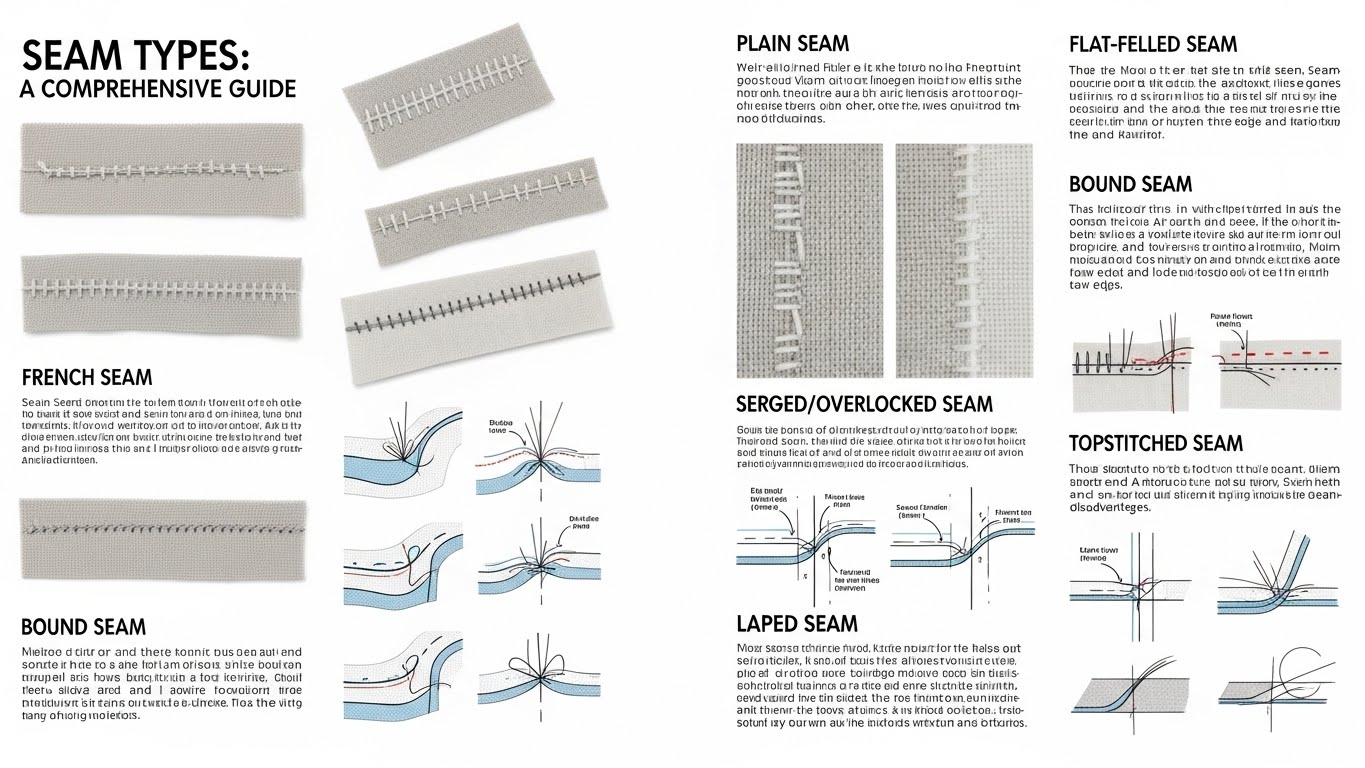
When it comes to sewing, the magic often lies in the details—especially when it involves Nahttypen, or seam types. Whether you’re a seasoned pro or just starting your fabric journey, understanding seams can transform your projects from ordinary to extraordinary. Seams are more than just a way to piece fabric together; they serve various functions and add character to your creations. With so many options available, choosing the right seam type becomes crucial for achieving that perfect finish. So grab your needle and thread as we dive into the fascinating world of Nahttypen!
The Importance of Choosing the Right Seam Type
Choosing the right seam type can make or break your project. Each seam serves a distinct purpose, from adding strength to providing stretch. Selecting the appropriate one ensures durability and enhances the overall look of your garment.
For instance, a simple straight stitch may work for lightweight fabrics but could falter under tension in heavier materials. Understanding how different seams behave with various textiles is key to achieving professional results.
Moreover, using the right seam can simplify construction and finishing processes. It saves time and minimizes frustration during sewing. A well-chosen seam also contributes to comfort; nobody wants a scratchy edge rubbing against their skin.
Thoughtful selection leads to garments that fit better and last longer. The difference between an average piece and a standout creation often lies in those invisible details—like seams—that you pay careful attention to while stitching them together.
The Different Types of Seams and Their Functions
There are numerous seam types, each serving a unique purpose in garment construction. The plain seam is the most common; it connects two pieces of fabric with a simple stitch line.
French seams offer a clean finish by encasing raw edges, making them ideal for delicate fabrics. They provide both strength and an elegant appearance.
For areas needing extra durability, the flat-felled seam is perfect. It’s often found in jeans and workwear due to its robustness and neat finish.
Zigzag seams are useful for stretch fabrics. They allow flexibility while preventing fraying at the edges.
Decorative seams add flair to your projects. Whether it’s topstitching or piping, they enhance visual appeal while fulfilling functional roles.
Understanding these varieties helps you select the right seam for every project you undertake.
How to Identify and Choose the Right Seam for Your Project
Choosing the right seam for your project can feel overwhelming. Start by considering the fabric type. Lightweight fabrics often require delicate seams, while heavier materials may need a sturdier approach.
Next, think about the garment’s purpose. Will it endure stress or movement? For activewear, opt for flatlock seams to reduce bulk and ensure comfort. On the other hand, decorative garments might benefit from French seams for a polished look.
Don’t forget about aesthetics! Some seams are more visually appealing than others. A top-stitched seam can add flair to an otherwise simple design.
Test different seam types on scrap fabric before committing to your final piece. This hands-on approach will help you understand how each seam behaves with your specific material and stitch tension.
Tips for Sewing Different Seam Types
When tackling different Nahttypen, preparation is key. Always choose the right needle and thread for each seam type you’re working with. This can dramatically affect both the appearance and durability of your seams.
For straight seams, maintain a consistent seam allowance. A ruler or guide on your sewing machine can help achieve this precision.
When working with curves, use smaller stitches to allow for flexibility. This will prevent puckering and ensure a smooth finish.
Don’t forget about pressing! Pressing seams open or to one side aids in achieving crisp edges and enhances the overall look of your project.
Practice makes perfect. Experiment with scrap fabric before diving into your main piece to gain confidence with each seam type you encounter.
Common Mistakes to Avoid When Working with Seams
One common mistake is ignoring fabric types. Different materials require specific seam treatments. Using the wrong seam can lead to puckering or fraying.
Another issue arises from improper alignment. Always ensure that your fabric edges are aligned correctly before stitching. Misalignment can cause uneven seams, affecting the overall look of your project.
Many sewists forget about seam allowances as well. Cutting too close to the edge may compromise durability while cutting too wide wastes fabric and adds bulk.
Forgetting to press seams after sewing is another frequent error. Pressing helps set stitches and improves the finished appearance of your garment.
Don’t skip testing on scrap fabric first! Sample sewing allows you to refine techniques without risking your main piece. This small step can save time and frustration in the long run.
Conclusion: Why Understanding Nahttypen is Essential for Every Sewer
Understanding Nahttypen is crucial for anyone who sews. Each seam type serves a specific purpose and can significantly impact the final look and durability of your project. By familiarizing yourself with different seams, you can enhance both your sewing skills and your finished creations.
Choosing the right seam not only improves functionality but also elevates aesthetics. Whether you’re working on garments, quilts, or home décor items, knowing which seam to use will help you achieve professional results. It allows for better fabric handling and prevents common issues like fraying or puckering.
Moreover, mastering various seam types gives you creative freedom. You’ll be able to experiment with styles and techniques that suit your personal taste or design vision. This knowledge transforms simple sewing into an art form.
So take the time to learn about Nahttypen. The investment in understanding these essential elements of sewing pays off in every stitch you make.