
 By admin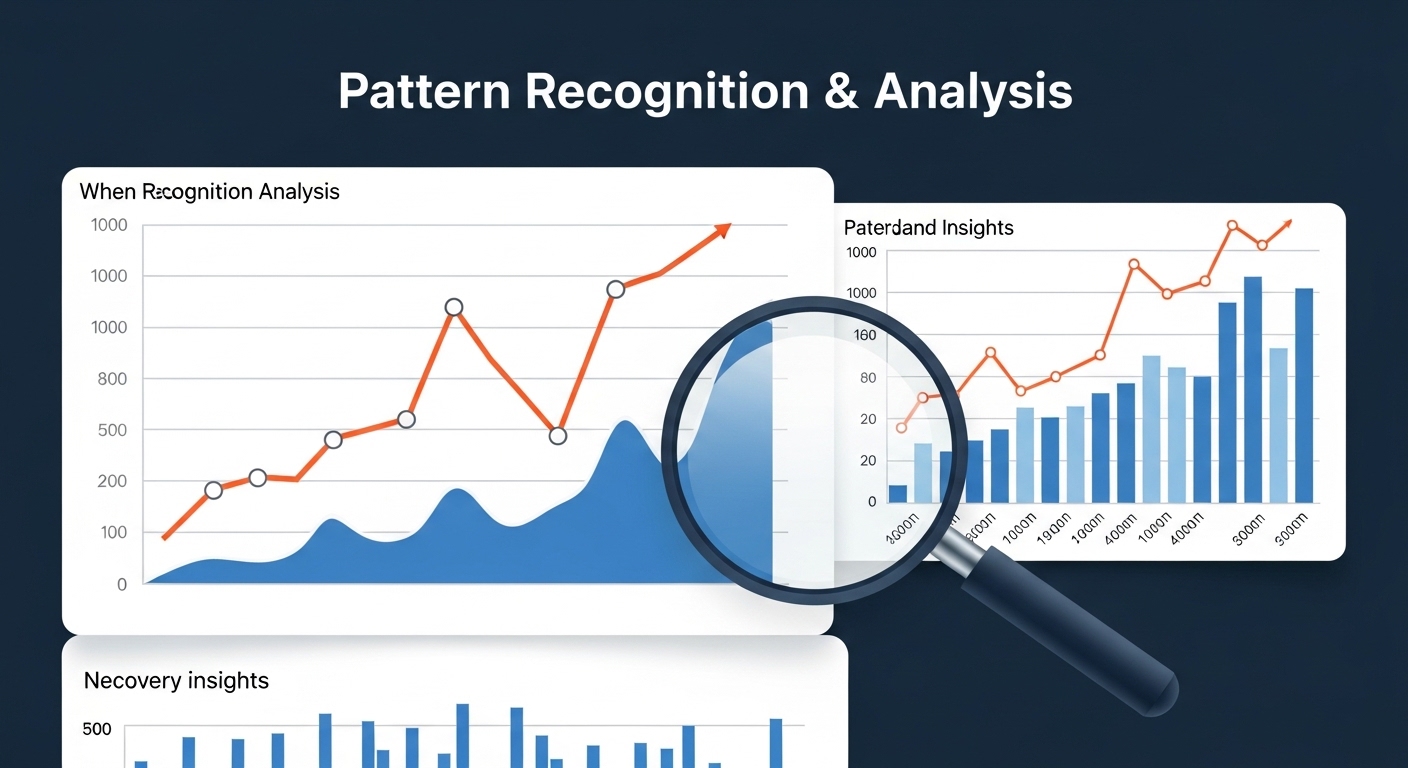
In today’s fast-evolving digital economy, data has become one of the most valuable assets for businesses across Belgium. However, raw data alone does not guarantee smarter decisions or improved performance.
Artificial intelligence development bridges this gap by transforming complex datasets into actionable business insights that fuel innovation, efficiency, and sustainable growth.
The Role of AI Development in Modern Belgium Businesses
AI development is reshaping how organizations collect, analyze, and apply data to drive meaningful results. Leading innovators like ThoughtLabs help Belgium businesses adopt intelligent systems that turn raw information into strategic advantage, enabling companies to remain competitive in a data-driven economy.
- Helps businesses uncover hidden patterns in large datasets
- Improves accuracy in forecasting and planning
- Enhances operational efficiency through automation
- Enables real-time decision-making
- Supports compliance with Belgium and EU regulations
- Strengthens customer engagement and personalization
How AI Transforms Raw Data Into Business Value
AI development converts complex and unstructured data into insights that businesses can act on immediately. By applying advanced algorithms, machine learning models, and automation, companies gain a clearer understanding of market behavior, customer needs, and operational inefficiencies.
1. Data Collection and Aggregation
Modern businesses generate data from websites, mobile apps, IoT devices, and customer interactions, which AI systems gather and centralize to ensure accuracy, consistency, and easy access.
This unified data structure helps Belgium organizations detect trends, uncover patterns, and identify anomalies early, enabling faster insights, smarter planning, and improved business decisions.
2. Data Cleansing and Preparation
Raw datasets often contain errors, inconsistencies, and missing values that can distort analysis. AI-driven data cleansing techniques automatically detect inaccuracies and standardize formats for improved quality. This process ensures that insights generated are based on clean, accurate, and trustworthy data.
3. Pattern Recognition and Predictive Modeling
Machine learning models analyze large datasets to identify trends and patterns, enabling accurate forecasts that help Belgium businesses plan operations and make smarter decisions.
These predictive insights optimize inventory, improve sales forecasting, and anticipate market demand, while continuous learning enhances model accuracy and long-term business performance.
4. Real-Time Analytics and Reporting
AI-powered analytics platforms provide real-time dashboards that help decision-makers instantly track performance, detect issues early, and respond quickly to business changes.
This immediate access to insights enables agile strategies, allowing organizations to refine campaigns, optimize workflows, and enhance customer experiences in dynamic market conditions.
5. Intelligent Automation of Processes
AI automates repetitive and rule-based tasks, enabling teams to focus on strategic goals while increasing efficiency, accuracy, and operational speed across business functions.
From invoice processing to customer support routing, automation reduces costs, streamlines workflows, and improves productivity, helping Belgium enterprises achieve sustainable growth.
6. Advanced Natural Language Processing
NLP allows machines to understand and process human language, enabling Belgium businesses to automate customer support, analyze sentiment, and improve communication.
By leveraging NLP for content generation and interaction analysis, companies enhance engagement, deliver personalized experiences, and strengthen relationships across multiple touchpoints.
Business Advantages of AI-Powered Data Insights
AI-driven insights create measurable advantages for organizations across various sectors. By converting raw data into actionable intelligence, businesses gain clarity, confidence, and competitive edge.
1. Improved Strategic Decision Making
AI provides executives with data-backed insights that reduce guesswork and subjective judgment. Decisions become more precise, leading to better allocation of resources and improved outcomes. Strategic clarity enables organizations to scale operations confidently.
2. Enhanced Customer Experience
Personalization is a key differentiator in today’s market. AI analyzes customer behavior to deliver tailored recommendations, targeted messaging, and responsive support. Belgium consumers benefit from seamless and engaging digital experiences.
3. Operational Efficiency and Cost Reduction
AI identifies inefficiencies in workflows and suggests optimized processes. This reduces operational waste and lowers overall costs. Automation further minimizes manual errors and accelerates service delivery.
4. Faster Innovation and Time to Market
AI shortens product development cycles by enabling rapid prototyping and testing. Businesses can launch new offerings faster while maintaining high quality. This agility helps companies adapt to evolving market trends.
5. Regulatory Compliance and Risk Management
AI systems monitor compliance requirements and detect anomalies that indicate potential risks. In Belgium, where GDPR and data protection laws are critical, AI ensures organizations maintain transparency and accountability. Proactive risk management safeguards brand reputation and customer trust.
6. Scalable Growth and Expansion
AI solutions grow alongside business operations, enabling seamless scalability. As data volumes increase, AI platforms maintain performance and accuracy. This scalability supports sustainable expansion into new markets and service lines.
Implementing AI Development for Sustainable Business Impact
Successful AI adoption requires strategic planning, reliable data infrastructure, and expert execution. Businesses benefit most when AI solutions are aligned with long-term objectives and operational realities.
Define Clear Objectives and Use Cases
Organizations should identify specific challenges that AI can address. Clear goals ensure focused development and measurable outcomes. This alignment maximizes return on investment and project success.
Invest in High-Quality Data Infrastructure
Robust data pipelines and secure storage systems form the backbone of AI development. Quality infrastructure ensures data reliability, accessibility, and scalability. Belgium enterprises benefit from compliant and resilient data ecosystems.
Build Cross-Functional Collaboration
AI projects thrive when business leaders, data scientists, and IT teams collaborate closely. Cross-functional engagement ensures solutions meet practical business needs. This collaboration drives higher adoption and long-term value.
Adopt Agile Development Methodologies
Iterative development enables continuous testing and improvement. Agile frameworks accelerate deployment while maintaining quality. This flexibility supports faster innovation and adaptation.
Partner With Expert AI Developers
Collaborating with experienced AI development partners ensures successful implementation. Specialized expertise enables organizations to harness advanced technologies efficiently. Midway through the transformation journey, companies often rely on tailored AI development to build scalable and high-performance solutions that align with their industry requirements.
Focus on Ethical AI and Data Privacy
Ethical considerations and regulatory compliance are essential in AI projects. Transparent data handling and bias reduction ensure trust and accountability. Belgium organizations benefit from responsible AI practices that align with EU regulations.
Key AI Technologies Powering Business Insights
AI development leverages multiple advanced technologies that contribute to data-driven decision making and operational excellence.
- Machine learning algorithms for predictive modeling
- Natural language processing for intelligent communication
- Computer vision for visual data interpretation
- Robotic process automation for workflow optimization
- Generative AI for content creation and ideation
Core AI Technologies and Their Business Applications
| AI Technology | Key Function | Business Application |
| Machine Learning | Pattern detection and prediction | Sales forecasting, fraud detection |
| Natural Language Processing | Language understanding and generation | Chatbots, customer sentiment analysis |
| Computer Vision | Image and video analysis | Quality inspection, facial recognition |
| Robotic Process Automation | Task automation | Invoice processing, data entry |
| Generative AI | Content and design creation | Marketing campaigns, product ideation |
Conclusion
AI development has become a cornerstone of modern business success in Belgium, enabling organizations to transform data into actionable insights that drive innovation, efficiency, and strategic clarity. By leveraging intelligent technologies, companies enhance customer experiences, streamline operations, and achieve sustainable growth. As competition intensifies and data volumes expand, businesses that embrace AI-driven insights will lead their industries with confidence and agility.