
 By admin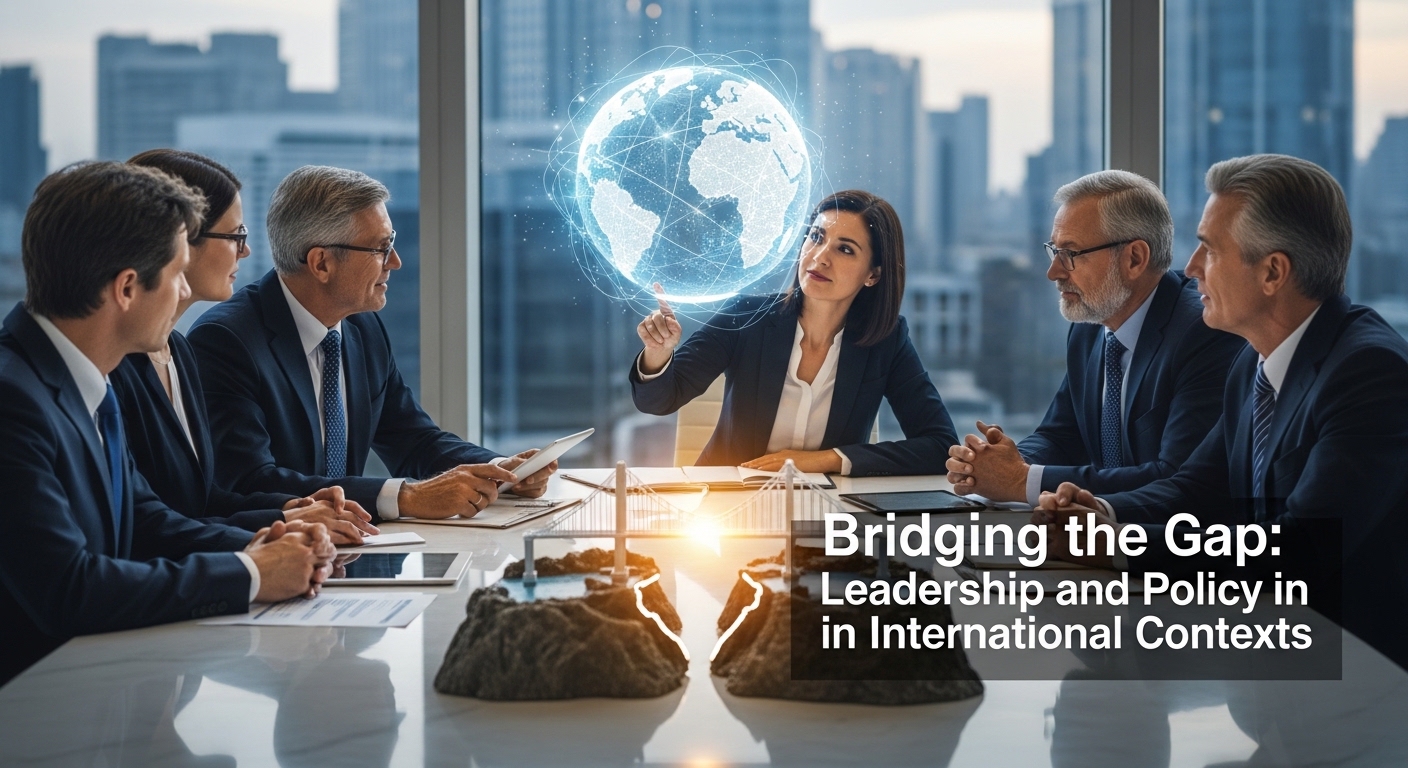
Globalization has profoundly reshaped how societies and nations interact, shaping the landscape of leadership and policymaking at multiple levels. As economic, social, and political boundaries become increasingly porous, new opportunities for international collaboration emerge, but so do new complexities. In an environment characterized by rapid change, the relationship between leadership and policy takes on renewed importance, requiring professionals to navigate these intersecting domains. Leading educational programs, such as MAIA degrees online, are designed to equip future leaders with practical skills and theoretical frameworks to address these multidisciplinary challenges. These programs emphasize analytical thinking, cross-cultural communication, and adaptive leadership, preparing graduates to operate effectively in diverse international settings.
The capacity to bridge leadership and policy in international arenas is a key driver of innovation and inclusivity in the 21st century. Leaders who incorporate policy considerations into their vision are better able to guide organizations toward sustainable solutions, building lasting legacies rather than quick fixes. Meanwhile, policymakers who have a strong grasp of leadership dynamics can design more responsive, adaptable, and pragmatic regulations that gain broader support and yield better real-world outcomes. Bringing these two spheres into alignment is a cornerstone for making meaningful progress in international relations, development, and governance.
The Importance of Integrating Leadership and Policy
Effective international governance depends on the synergy of visionary leadership and robust, actionable policies. The absence of such integration can lead to breakdowns: visions without grounded rules become mere aspirations, while policies detached from leadership struggle to inspire or mobilize support. Leadership engagement in policy-making enables anticipation of potential challenges, enabling proactive adjustments to systemic shifts or unexpected events. Conversely, policy crafted with leadership-inspired insights will likely be more attuned to the culture, motivations, and on-the-ground realities of those it affects. Such cooperation serves as the backbone for success across sectors, including education, healthcare, economic development, and diplomacy, shaping national and transnational programs alike.
To illustrate, when leaders and policymakers work together, they can translate grassroots feedback into actionable reforms that address community-specific challenges, thereby ensuring that policy is relevant and equitable for diverse populations. This collaborative approach enables organizations to respond swiftly and strategically to global crises, such as sudden health emergencies or complex issues like climate change, by encouraging cross-disciplinary engagement and resource pooling.
Challenges in Bridging Leadership and Policy
Despite the clear value of linking leadership and policy, several formidable challenges often arise, particularly in international contexts that involve varying governance structures, legal systems, and societal values. Among the most significant obstacles are:
- Communication Barriers: Misalignment frequently stems from leaders and policymakers using differing terminologies, frameworks, or even unwritten social norms. This disconnect can lead to misunderstandings or conflicting priorities, ultimately hindering collaborative problem-solving and project execution across borders.
- Cultural Differences: Leadership and authority are viewed differently around the world, influenced by deeply embedded traditions, social hierarchies, and organizational behaviors. These differences can affect not only how policies are received and interpreted, but also how they are implemented and enforced in local contexts.
- Resource Constraints: Limited financial, technical, or human resources can hamper the development or implementation of comprehensive policies, particularly in developing countries or resource-limited regions. The lack of necessary infrastructure or skilled personnel makes it increasingly challenging to roll out and sustain integrated leadership-policy solutions.
Addressing these barriers requires more than ad hoc solutions; it necessitates ongoing, structured dialogue and a steadfast commitment to understanding and reconciling divergent viewpoints. Leaders and policymakers must prioritize stakeholder engagement, inviting NGOs, civil society actors, academics, and local communities to participate, to ensure that all voices, especially those often marginalized, are heard in the decision-making process. This is crucial for generating policies that are inclusive, context-sensitive, and feasible.
Strategies for Effective Integration
There are several proven strategies for fostering stronger alignment between leadership and policy in global contexts, each designed to address the unique challenges posed by cross-border collaboration:
- Foster Open Communication: Developers of international projects are finding that establishing regular, structured communication channels is vital. These include not only formal meetings, but also virtual platforms, joint task forces, or shared knowledge repositories. Such mechanisms allow leaders and policymakers to proactively share insights, clarify intentions, and quickly resolve any misunderstandings that could disrupt progress.
- Promote Cultural Sensitivity: Building skills in cross-cultural communication and recognizing local customs can dramatically lower the risk of conflict and misunderstandings. Training programs and international exchange initiatives offer leaders and policymakers opportunities to gain firsthand experience with different cultural contexts, building the empathy and adaptive capacity required for successful collaboration.
- Allocate Resources Wisely: Given the reality of finite resources, it is critical to target investments toward projects that align both with the broad vision of leadership and the practical aims of policy. Utilizing metrics for impact assessment and periodic program evaluations can help ensure that funding, personnel, and technological tools are deployed effectively and accountably, particularly in challenging or rapidly changing environments.
Practical frameworks for cooperation, such as those featured in the Harvard Business Review, provide valuable guidelines for managing cross-cultural teams and navigating multi-stakeholder projects. These frameworks encourage mutual understanding, adaptability, and collaborative leadership, which are vital for thriving in the dynamic landscape of international affairs.
Case Study: Bridging Leadership and School Improvement
Education provides a compelling, real-world arena where the positive effects of bridging leadership and policy are evident. The book “Bridging Leadership and School Improvement” documents a range of scenarios in which collaborative leadership has driven meaningful school reform worldwide. In these cases, stakeholders, including teachers, administrators, policymakers, and community members, created integrated strategies that not only met policy requirements but also addressed local realities, empowering educators to innovate in service delivery. As a result, student outcomes improved, and school systems became more resilient to external pressures. Such approaches show that balancing local initiative with regulatory mandates is possible, and often necessary, for achieving sustainable improvement in education.
Role of International Organizations
International organizations are uniquely positioned to act as conveners and catalysts for integrating policy leadership on a global scale. Institutions such as the United Nations and multilateral development banks regularly bring together representatives from different countries and sectors for dialogue, learning, and joint problem-solving. Projects like the Bridging the Gap project exemplify this facilitating role, providing structured forums where academics, policymakers, and practitioners debate key issues, share best practices, and develop collaborative solutions to urgent global problems. These organizations also dedicate significant resources to leadership development and applied research, equipping current and future leaders with the knowledge they need to address topics ranging from sustainable development and migration to security and global trade dynamics.
Final Thoughts
Sustainable progress in today’s multilayered, interdependent world depends on the effective bridging of leadership and policy in international contexts. This partnership cannot happen without intentional, transparent communication, deep respect for cultural diversity, and strategic resource management at every level of engagement. By forging strong ties and embracing ongoing learning, leaders and policymakers are better equipped to co-create solutions that address society’s most urgent needs, from economic innovation to humanitarian relief, while championing resilience, innovation, and long-term well-being for communities everywhere. The future will belong to those who excel in uniting these two vital spheres, driving inclusive growth and positive change on a truly global scale.