
 By admin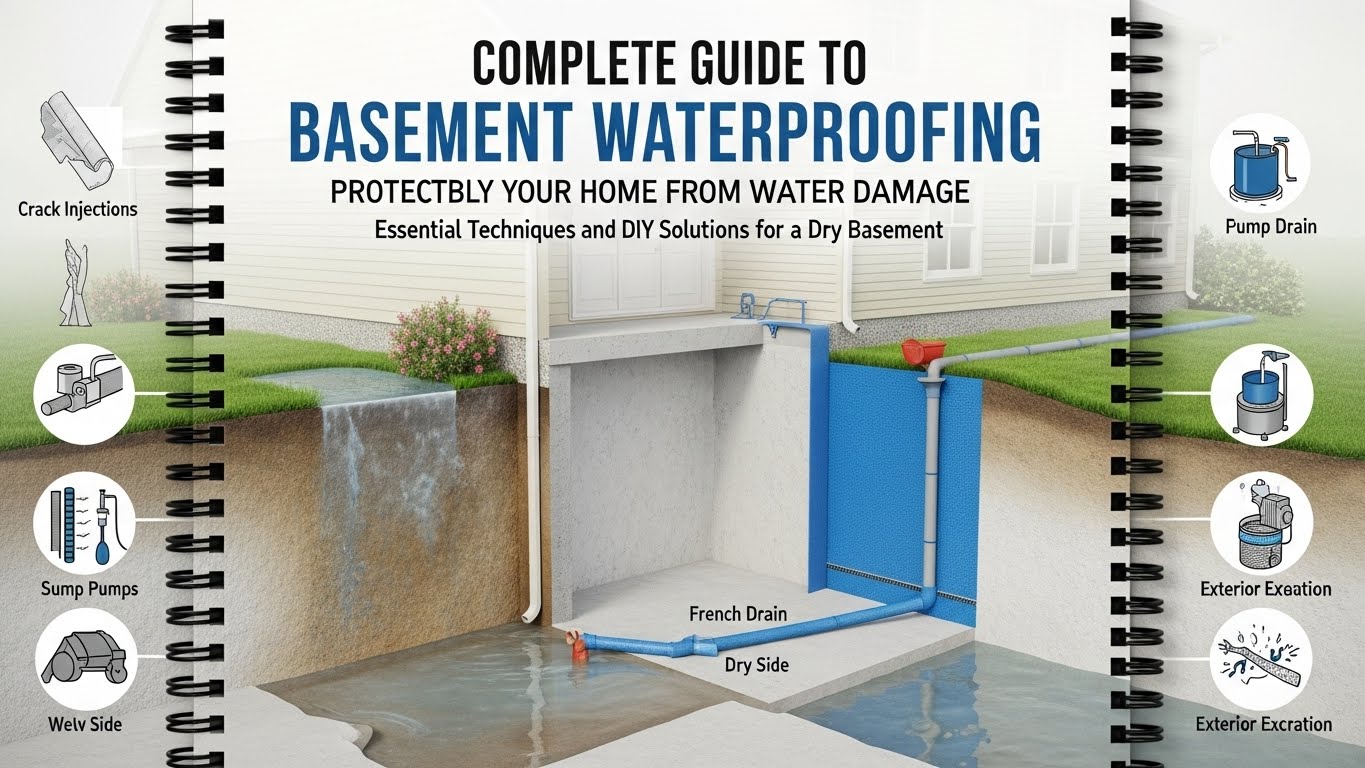
A basement is often one of the most valuable spaces in a home, providing additional living space, storage, or a comfortable recreational area. However, basements are also highly susceptible to water intrusion, which can lead to mold growth, structural damage, and costly repairs if left untreated. Basement waterproofing is a critical step in maintaining a safe, dry, and healthy home environment. This article explores the importance of basement waterproofing, common causes of water issues, the methods used to address them, and how wet basement solutions can help homeowners effectively manage moisture problems.
Understanding the Need for Basement Waterproofing
Water intrusion is one of the most common problems faced by homeowners with basements. Basements are naturally prone to water issues due to their location below ground level, where hydrostatic pressure can push water into cracks and seams. Even small leaks can lead to significant problems over time, including damage to walls, floors, and structural components.
Basement waterproofing is the process of creating a protective barrier that prevents water from entering the basement and damaging the home. This process not only addresses current moisture issues but also protects against future water problems, ensuring the basement remains a functional and safe area. Homeowners who invest in professional waterproofing enjoy peace of mind knowing their property is protected against water-related damage and the associated costs.
Common Causes of Basement Water Issues
There are several factors that contribute to basement water problems. One of the primary causes is poor drainage around the home. Rainwater or melting snow can accumulate near the foundation, creating pressure that forces water into the basement. Clogged gutters, improper grading, and inadequate downspouts often exacerbate this problem.
Another significant cause is foundation cracks or faulty construction. Over time, foundations can develop cracks due to settling, soil movement, or structural stress. These cracks allow water to seep into the basement, leading to moisture buildup and potential damage.
Additionally, plumbing leaks or burst pipes can introduce water directly into the basement. High humidity levels, condensation, and improper ventilation can further worsen moisture problems. Recognizing the root causes of basement water issues is essential for determining the most effective waterproofing solutions.
Methods for Basement Waterproofing
Professional basement waterproofing involves a combination of techniques designed to address both interior and exterior water problems. One common approach is the installation of interior drainage systems. These systems collect water that enters the basement and redirect it to a sump pump or drainage outlet, effectively removing water before it can cause damage.
Exterior waterproofing is another widely used method. This involves applying waterproof coatings or membranes to the exterior walls of the basement to prevent water from penetrating the foundation. Exterior solutions often include improving the grading around the home and installing proper drainage systems to redirect water away from the foundation.
Sealing cracks and gaps in the foundation is also an essential step in basement waterproofing. Professional services use high-quality sealants and techniques to ensure a long-lasting barrier that prevents water intrusion. Combining multiple waterproofing methods provides the most comprehensive protection against moisture-related issues.
The Role of Wet Basement Solutions
Wet basement solutions play a critical role in effective basement waterproofing. These solutions encompass a range of professional services designed to address water intrusion and manage moisture effectively. For example, sump pumps are a key component of many wet basement solutions, as they efficiently remove water from the basement and redirect it away from the home.
In addition to sump pumps, wet basement solutions may include interior drainage systems, dehumidifiers, and advanced sealing techniques. By combining these strategies, homeowners can create a dry and controlled basement environment that protects the home’s structural integrity and reduces the risk of mold growth. Using comprehensive wet basement solutions ensures that basement waterproofing efforts are both effective and long-lasting.
Benefits of Basement Waterproofing
Investing in basement waterproofing provides numerous advantages for homeowners. First, it protects the structural integrity of the home. Water infiltration can weaken foundation walls, floors, and support structures over time, leading to costly repairs. Professional waterproofing prevents such damage, ensuring the stability and longevity of the property.
Basement waterproofing also improves indoor air quality. Damp environments encourage the growth of mold and mildew, which can release spores into the air and cause health issues. By keeping the basement dry, homeowners create a healthier living environment for their family.
Energy efficiency is another benefit. Moist basements can make heating and cooling systems work harder to maintain comfortable indoor temperatures. A properly waterproofed basement helps regulate temperature and reduces energy consumption. Additionally, waterproofing increases the value and usability of the basement space, transforming it into a reliable area for storage, recreation, or additional living quarters.
Choosing Professional Services
Effective basement waterproofing requires expertise, precision, and quality materials. While DIY solutions may provide temporary relief, professional services ensure that the work is done correctly and that the basement is protected for the long term. Experienced professionals conduct thorough inspections, identify the root causes of water intrusion, and recommend customized solutions tailored to the home’s specific needs.
Working with professionals who offer comprehensive wet basement solutions ensures that all aspects of water management are addressed. From sump pumps and interior drainage systems to exterior waterproofing and foundation repair, professional services provide a complete approach to protecting the home from moisture damage. Homeowners can also benefit from warranties and guarantees offered by reputable providers, giving peace of mind that their investment is protected.
Preventive Measures for Maintaining a Dry Basement
Even after professional waterproofing, homeowners should take preventive measures to maintain a dry basement. Regular inspections of the basement walls, floors, and plumbing systems help detect early signs of water intrusion. Ensuring gutters and downspouts are clean and functioning properly, along with maintaining proper grading around the home, further prevents water accumulation near the foundation.
Monitoring humidity levels and using dehumidifiers as needed helps control moisture and prevents mold growth. Avoiding storage of items directly on the basement floor or against walls allows for proper airflow and reduces the risk of damage. By combining professional waterproofing with regular maintenance, homeowners can protect their basement and preserve the home’s value and structural integrity.
Signs That Your Basement Needs Waterproofing
Knowing when to waterproof a basement is essential for preventing long-term damage. Common signs include:
- Persistent damp or musty odors
- Visible water stains or discoloration on walls and floors
- Mold or mildew growth
- Bowing or cracked foundation walls
- Standing water or frequent minor flooding
- Peeling paint or efflorescence (white powdery deposits) on basement walls
If any of these signs are present, it is important to consult with professional services that provide wet basement solutions. Early intervention can prevent extensive damage, protect the home’s foundation, and save homeowners from costly repairs.
Conclusion
Basement waterproofing is a vital step in protecting a home from water damage, mold growth, and structural deterioration. By addressing both interior and exterior water intrusion, homeowners can create a dry, safe, and functional basement space. Professional wet basement solutions, including sump pumps, drainage systems, and sealing techniques, provide comprehensive protection and long-term peace of mind.
Investing in basement waterproofing not only safeguards the structural integrity of the home but also improves indoor air quality, enhances energy efficiency, and increases property value. Preventive maintenance, combined with professional waterproofing, ensures that basements remain dry, healthy, and fully functional for years to come. By taking proactive steps today, homeowners can avoid costly repairs, maintain a safe living environment, and enjoy the full potential of their basement space.