 By admin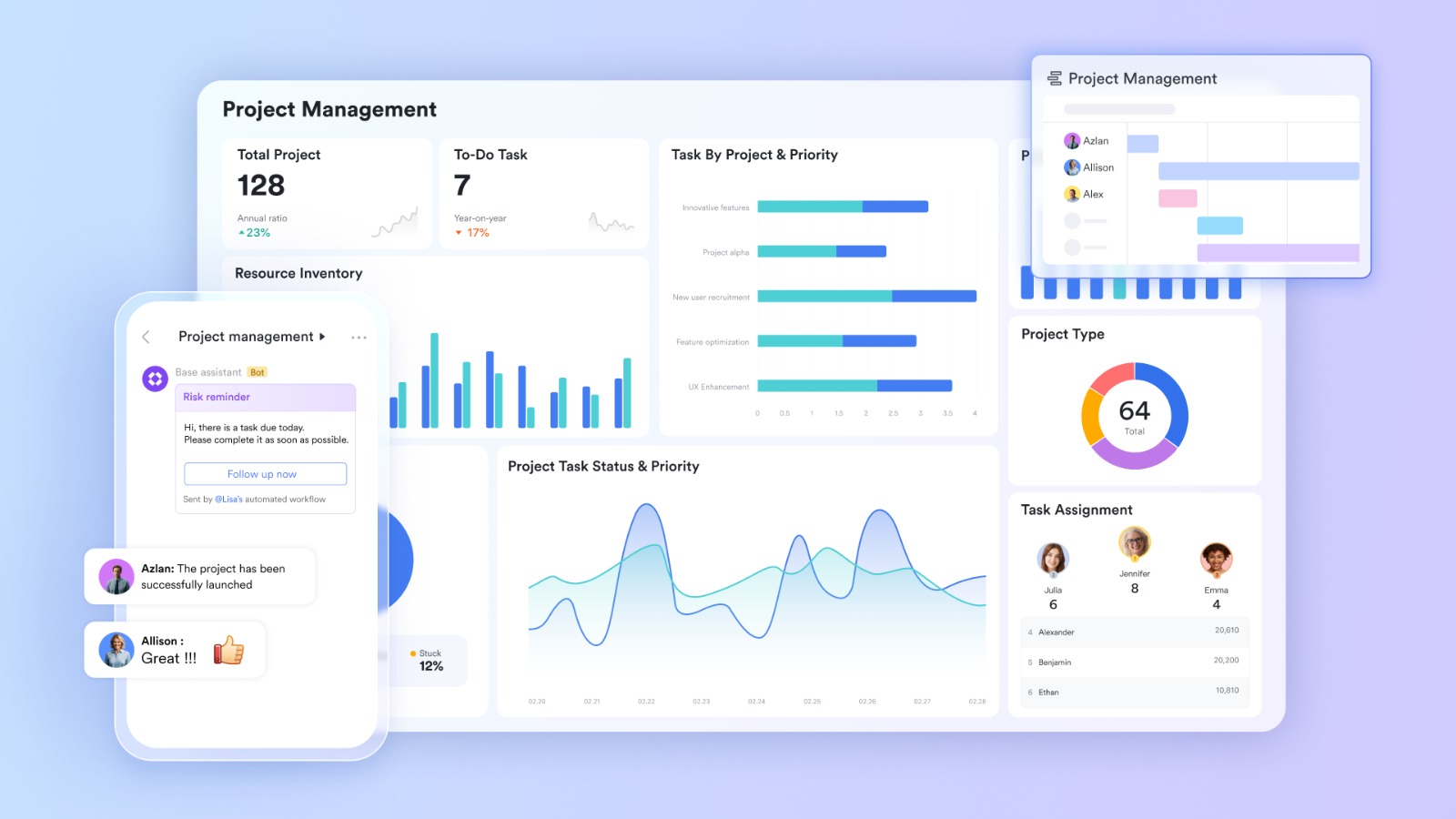
To lower your burn rate, you can’t just cut headcount; you have to cut complexity. Most mid-sized companies suffer from “SaaS sprawl”—paying for a dozen different subscriptions that perform overlapping functions. This fragmented stack doesn’t just drain your bank account through licensing fees; it creates a “hidden overhead” of manual data syncing and lost productivity.
Consolidated software strategy replaces expensive, disconnected apps with unified project management tools. By moving to a synchronized environment, you eliminate redundant costs and streamline the administrative work that usually requires extra hires. Here is how consolidating your tools into a single suite lowers your operational burn.
Centralizing external outreach with Lark Mail
Managing external relationships often requires expensive third-party “shared inbox” tools. By using a native mail client within your workspace, you fold external communication into your internal workflow without the extra seat costs.
- Public mailbox integration. This allows teams (like info@ or sales@) to manage a single inbox collectively without sharing passwords or paying for extra licenses.
- Administrative benefit: It removes the need for “cc-ing” every stakeholder, as the thread is visible to authorized team members.
- Real-world example: A customer support team replaces a $50/month per-user helpdesk tool by using a Public Mailbox, allowing them to discuss emails in internal side-chats before replying to the client.
Eliminating manual data entry with Lark Base
Administrative overhead often comes from “human middleware”—employees whose only job is to move data from one spreadsheet to another. A relational database automates this data flow natively.
- Cross-table referencing & automation triggers. You can link an “Inventory” table to a “Sales” table so that a stock count drops automatically the moment a deal is marked “Closed.”
- Administrative benefit: Eliminates human error and the need for manual reconciliations between departments.
- Real-world example: A retail company uses native connectors for project management tools to sync delivery dates into their Base, automatically triggering an SMS notification to the customer when the status changes.
Automating the paper trail with Lark Approval
Bureaucracy is a silent burn-rate killer. Manual approval processes for expenses or contracts create bottlenecks that slow down revenue-generating work.
- Mobile-first approval workflows. Requests are sent via chat and can be approved with a single tap on a smartphone, complete with an automated audit log.
- Administrative benefit: Removes the “chasing” phase of management, as the system automatically sends reminders to the next person in the chain.
- Real-world example: An operations manager sets up a workflow where any marketing spend over $500 is routed to the Finance Director, while anything under is auto-approved if it fits the pre-set budget in the Wiki.
Consolidating knowledge with Lark Wiki
Information silos are expensive. When a team member leaves, their “tribal knowledge” often goes with them, forcing the company to pay for the same learning curve twice.
- Structured knowledge repositories. Unlike a messy cloud drive, the Wiki uses a hierarchical sidebar to organize SOPs, brand bibles, and onboarding guides.
- Administrative benefit: New hires can self-onboard using pre-built “Learning Paths,” reducing the training burden on senior leadership.
- Real-world example: A startup uses the Wiki as one of its primary productivity tools, hosting all its technical documentation in a central hub that is one click away from the developer chat, ensuring zero time is wasted searching for “How-To” guides.
Strategic alignment with Lark OKR
A high burn rate is often the result of “busy work” that doesn’t move the needle. Linking daily tasks to high-level goals ensures that every dollar spent is focused on growth.
- Visible goal mapping. Every employee can see how their specific tasks contribute to the company’s quarterly objectives through a visual alignment map.
- Administrative benefit: Reduces the need for “alignment meetings” because progress is tracked transparently and updated in real-time.
- Real-world example: A CEO uses the “Progress Roll-up” function to see that the sales team is 80% toward their goal, allowing them to shift resources to the struggling marketing department without having to call a board meeting.
Bonus: The math behind your monthly software bill
When a business is trying to save money, the first thing leaders usually do is check Google Workspace pricing to see how much they are spending on basic email and file storage. It seems like a small cost at first, but the “burn” starts to grow when you realize those tools can’t do everything. To fill the gaps, you might buy Slack for $8 a user, Asana for $10 a user, and Zoom for another $15.
Before you know it, you are paying $40 or $50 per month for every single employee just to give them the basics. This is where most companies lose their lead. You aren’t just paying for the software; you are paying for the time your team wastes trying to get these different apps to talk to each other. When information is trapped in five different places, your staff spends more time “managing the tools” than doing the actual work you hired them for.
Lark changes this by putting your mail, your group chats, and your project trackers in one single spot. Instead of managing a dozen different bills and logins, you have one home for everything. This doesn’t just lower your monthly overhead; it clears out the “digital noise” so your team can finally move at full speed without being held back by a messy app stack.
Conclusion
Cutting overhead isn’t about working harder; it’s about working in a synchronized environment. Every time you replace a standalone app with a native function in your workspace, you remove a layer of friction, a potential for error, and a monthly bill. By consolidating your software into a modern set of productivity tools, you lower your burn rate and create a lean, agile organization ready to scale without the extra weight.
You stop being a manager of different subscriptions and start being a leader of a high-efficiency team. When your data and your dialogue happen in the same place, your business stops “burning” cash on administrative noise and starts investing it in business growth.