
 By admin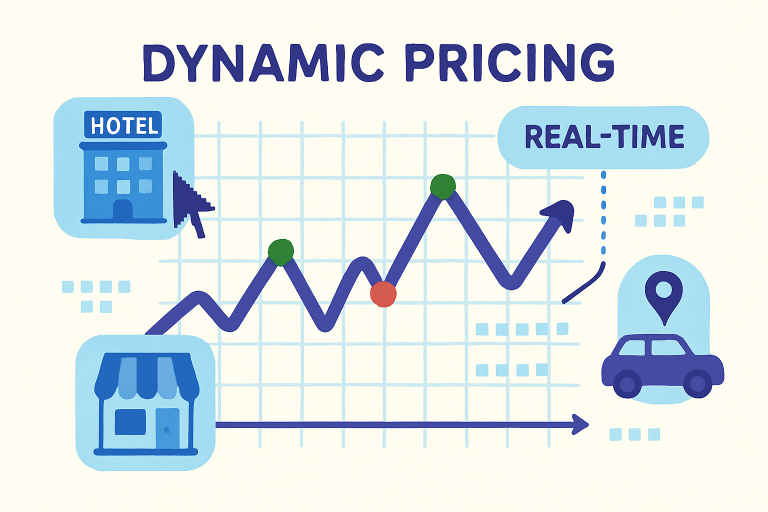
Dynamic pricing has become a cornerstone of effective revenue management. By utilizing advanced software for revenue management, businesses can respond promptly to fluctuations in supply, demand, and competitive pressures. This adaptive pricing approach helps maximize profitability while meeting real-time market expectations, creating growth opportunities for companies across various industries, from hospitality to retail.
Unlike traditional static pricing, dynamic pricing uses algorithms and data analytics integrated within revenue management software to interpret market movements and customer behavior. This technology enables companies to offer the right price to the right customer at the right time. As more industries adopt digital transformation, the use of software for revenue management is poised to become even more prevalent, enabling firms to navigate fluctuating markets and consumer expectations more effectively.
By making pricing agile, businesses can quickly adjust in response to changes in inventory levels, seasonal fluctuations, and unforeseen external events. This agility not only heightens profit potential during peak times but also secures loyalty from value-seeking customers during off-peak periods, helping stabilize revenue streams.
The adoption of dynamic pricing through revenue management software also delivers a crucial competitive advantage. Companies that leverage real-time pricing models can outmaneuver competitors relying on static prices, harnessing technology to consistently align with changing consumer demand and market conditions.
Understanding Dynamic Pricing
Dynamic pricing, often referred to as surge or demand-based pricing, enables businesses to automatically adjust prices for products or services in response to real-time changes in supply, consumer behavior, and marketplace competition. This method stands in stark contrast to fixed pricing, offering businesses the flexibility to stay in sync with rapidly changing economic landscapes. By leveraging sophisticated algorithms and historical data, companies can predict demand patterns and adjust prices proactively rather than reactively. This approach helps maximize revenue during peak periods while minimizing losses during slow periods. It also allows businesses to respond quickly to competitor pricing strategies, maintaining market relevance and competitiveness. Over time, dynamic pricing can enhance customer segmentation, delivering tailored offers that increase satisfaction and loyalty.
Benefits of Dynamic Pricing
- Increased Revenue: Dynamic pricing enables companies to capture the maximum amount that customers are willing to pay during high-demand periods, directly boosting profits.
- Improved Customer Satisfaction: By lowering prices during slower periods, businesses can attract new customer segments and foster loyalty among price-sensitive shoppers.
- Competitive Edge: Responding instantly to competitor price moves gives businesses using dynamic pricing an advantage in highly contested markets.
Challenges in Implementing Dynamic Pricing
- Data Management: Reliable dynamic pricing relies on vast amounts of high-quality, up-to-date data—from market trends to competitor tracking and customer patterns. Data siloes or inaccuracies can undermine effectiveness.
- Customer Perception: Sudden or unexplained price changes may erode trust or lead to customer backlash. Transparent communication and clear value articulation are essential.
- Technological Investment: Deploying robust dynamic pricing systems often demands significant investment in both technology infrastructure and workforce training.
Technological Advancements in Dynamic Pricing
- Artificial Intelligence (AI): AI and machine learning tools can analyze huge volumes of data to predict demand and automatically suggest or enact optimal pricing. The release of next-generation AI-powered solutions points toward smarter, more granular adjustments across markets.
- Mobile Applications: On-the-go pricing management is supported by robust mobile apps, giving operators, such as short-term rental providers, the flexibility to adjust rates from anywhere.
Case Studies of Successful Dynamic Pricing Implementation
- Hospitality Industry: Hotels utilizing AI-driven dynamic pricing platforms have increased their RevPAR and reduced unoccupied inventory, particularly during transitional shoulder seasons.
- Retail Sector: Major online retailers are using dynamic pricing to test the impact of daily and even hourly price changes, unlocking higher profit margins and improved customer loyalty. Notably, their flexible approach has enabled them to respond effectively to increased competition from direct-to-consumer brands.
Best Practices for Adopting Dynamic Pricing
- Invest in Technology: Integrating advanced software and AI tools enables companies to process market and competitor data efficiently, allowing for automatic or semi-automatic price adjustments.
- Monitor Competitor Pricing: Businesses should continuously track competitor moves to ensure their own pricing remains attractive and relevant.
- Ensure Transparency: Clearly explain pricing policies to customers to help mitigate confusion and negative perceptions associated with frequent price changes.
- Regularly Review Strategies: Ongoing analysis and refinement ensure that pricing models deliver on revenue objectives while maintaining customer goodwill.
Future Trends in Dynamic Pricing
- Integration with IoT: Data from Internet of Things (IoT) sensors enables companies to make hyper-responsive pricing decisions based on real-world customer movement, environmental conditions, and more.
- Personalized Pricing: The next evolution involves tailoring prices for individual customers or segments based on their browsing history, buying frequency, and loyalty status.
- Blockchain Technology: Blockchain introduces enhanced data security and pricing transparency, allowing businesses and customers alike to verify pricing histories.
Final Thoughts
Dynamic pricing technology is now an integral part of modern revenue management, enabling businesses to adapt to market shifts and changing customer needs quickly. By prioritizing robust analytics, operational transparency, and a commitment to ongoing innovation, businesses can optimize pricing strategies for stronger performance and sustainable competitive advantage in increasingly digital markets. Implementing dynamic pricing allows companies to identify trends in real time, adjusting prices based on demand patterns, competitor actions, and seasonal fluctuations. It also helps reduce revenue leakage by ensuring that every product or service is priced optimally throughout the sales cycle. Integration with customer relationship and inventory management systems ensures that pricing decisions are aligned with overall business goals. Ultimately, businesses that leverage dynamic pricing effectively can improve profitability, enhance customer satisfaction, and stay ahead in competitive industries.