 By admin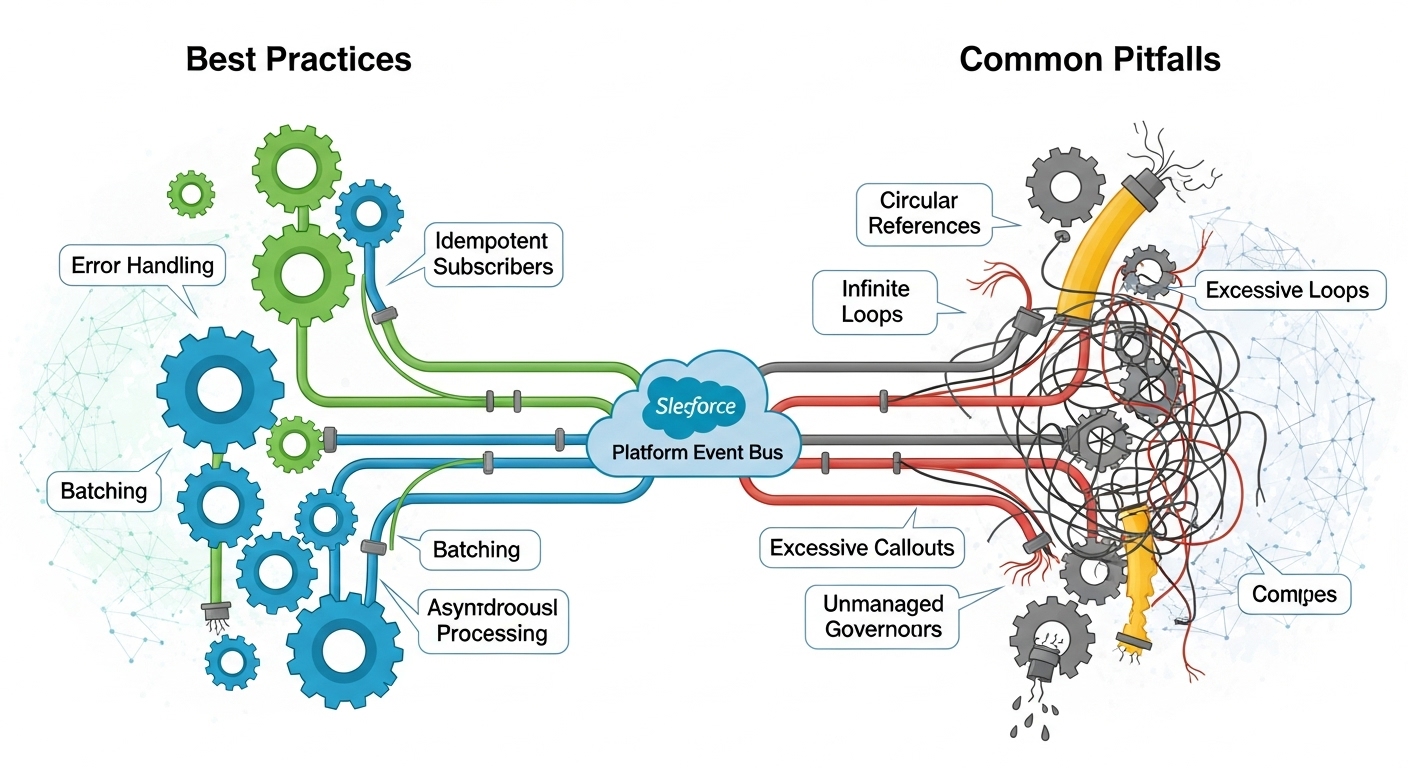
Have you ever found yourself tangled in the complexities of platform events? If so, you’re not alone. Many businesses are falling into what is known as the “Platform Event Trap,” a scenario that can lead to wasted resources and missed opportunities. As digital platforms rapidly evolve, understanding these traps becomes crucial for success.
Imagine launching a new feature or service only to realize that your event management isn’t up to par. It’s frustrating and often leads to chaos within teams trying to communicate effectively across systems. The good news is that recognizing this trap early can save time and enhance productivity.
Let’s dive deeper into what Platform Event Traps really are, why they become common issues, and how you can navigate them with ease!
What is a Platform Event Trap?
A Platform Event Trap occurs when a business becomes overly reliant on platform events for communication between different systems or applications. These events are designed to trigger automated processes, allowing seamless interaction within various components of an organization’s tech stack.
However, the trap emerges when companies depend too heavily on these events without proper management or oversight. This can lead to bottlenecks and inefficiencies in workflows. As teams expand and systems become more complex, organizations may struggle with event overload or miscommunication.
When not monitored correctly, important data can be lost in the shuffle. The intended benefits of automation turn into obstacles that hinder productivity instead of enhancing it. Understanding this concept is essential as businesses increasingly adopt event-driven architectures in their operations.
Why are Platform Event Traps a common issue?
Platform Event Traps often stem from the growing complexity of systems. As businesses scale, integrating various components becomes challenging. Mismanagement during this process can lead to unforeseen issues.
Another factor is a lack of understanding. Many teams underestimate the importance of properly configuring event-driven architectures. Without clear guidelines or training, they may inadvertently set themselves up for failure.
Moreover, inadequate monitoring tools contribute significantly to these traps. When organizations can’t effectively track events in real-time, it creates blind spots that can hinder timely responses.
Evolving technology adds to the problem. Rapid advancements make it difficult for teams to keep pace with best practices and emerging methodologies in event handling.
These factors create a perfect storm where platforms frequently succumb to traps that could have been avoided with better foresight and preparation.
Best Practices to Avoid Getting Trapped
To avoid falling into the Platform Event Trap, start by clearly defining your event architecture. Keep it simple and focused on essential data points. This clarity will help prevent unnecessary complexity.
Implement robust monitoring systems. These tools can provide insights into event performance and user interactions in real-time, allowing you to identify potential issues before they escalate.
Documentation is crucial. Maintain detailed records of each platform event’s purpose and functionality. This practice ensures that all team members understand their roles and responsibilities regarding events.
Regularly review your platform events for relevance. As business needs evolve, some events may become obsolete or require modifications to enhance efficiency.
Encourage cross-department collaboration when designing platform events. Diverse perspectives can lead to more innovative solutions while preventing tunnel vision that often leads to trapping scenarios.
Common Pitfalls of Platform Event Traps
One major pitfall of Platform Event Traps is over-reliance on automation. Many companies automate their processes without fully understanding the implications. This can lead to unexpected behavior and missed opportunities.
Another common issue arises from insufficient monitoring. Businesses often overlook the need for real-time tracking of events. Without proper oversight, it’s easy to miss critical failures or delays in processing.
Ignoring data quality can also be detrimental. If incoming event data is flawed or inconsistent, it compromises downstream processes and decision-making.
Additionally, inadequate documentation creates confusion among teams. When details about event structures and workflows are not well-documented, onboarding new team members becomes challenging.
Failing to conduct regular reviews leaves organizations vulnerable to evolving business needs. Stagnation in approach means potential gaps may go unnoticed until they become problematic.
Real-life Examples of Companies that Fell into the Trap
Several companies have faced significant challenges due to the Platform Event Trap. One notable example is a major retail chain that relied heavily on automated event processing. Their systems became overwhelmed during peak shopping seasons, leading to missed opportunities and frustrated customers.
Another case involved a tech startup that integrated third-party APIs without sufficient testing. When their platform experienced unexpected spikes in events, it resulted in data silos and delayed responses. This not only affected user experience but also hampered their growth potential.
A financial services firm encountered issues when they failed to scale their event-driven architecture properly. During crucial trading hours, delays caused by unoptimized event handling led to substantial losses.
These instances serve as reminders of how critical it is for businesses to understand the intricacies of platform events and manage them effectively.
Strategies for Escaping the Trap
To escape the Platform Event Trap, start by prioritizing clear communication. Ensure all team members understand the purpose and flow of events across your platform.
Regularly revisit system architecture. Evaluate if it aligns with evolving business needs. Flexibility is vital; changes may be necessary as demands shift.
Implement robust monitoring tools to track event performance. This allows you to identify bottlenecks or failures early on, preventing escalation into larger problems.
Encourage a culture of feedback within your organization. Team insights can reveal hidden issues that might not surface otherwise.
Invest in training programs focused on platform best practices. Empowering staff will enhance their ability to navigate complexities effectively, reducing the likelihood of falling into traps again.
Conclusion
The Platform Event Trap can be a significant challenge for businesses navigating the complexities of event-driven architectures. By understanding what these traps are and recognizing their common pitfalls, organizations can proactively implement best practices to safeguard against potential issues.
Staying informed and vigilant is key. Regularly assess your systems, engage with tools that offer insights, and foster an environment where continuous learning thrives. Remember that real-life examples serve as powerful reminders of the consequences of neglecting platform event management.
Companies that have successfully escaped these traps often share one thing in common: a commitment to refining their processes while remaining adaptable. As technology evolves, so should your strategies. Embracing this mindset will help you navigate the intricate landscape of platform events more effectively.
By prioritizing awareness and employing strategic thinking, you can enhance your organization’s resilience against platform event traps. The journey may be challenging but taking proactive steps today could pave the way for smoother operations tomorrow.